

Helpfulness becomes a shaping force
"The most effective form of power is not command, but the shaping of what people take to be normal."
Previously at the Volcano Base I’d been waffling on about Edge Cases and Peripheral Creatures. Since then, well, I totally unplugged for the holidays. Although I did catch myself checking news feeds every day to see whether World War 3 had started yet. Sadly, I expect it started a while ago.
Mission Briefing
When AI gets a body
For years, AI lived somewhere abstract. In a browser tab. In a phone. In the same mental cupboard as spell-check and weather apps.
You consulted it.
Lately, that’s changing. A cluster of new and upcoming hardware devices has made the shift hard to ignore. Desk companions. Wearables. Ambient objects. Personal AI you don’t open so much as live with. Devices that remember yesterday and quietly assume tomorrow.
I’ll link to some examples below, but taken together they point to something larger: AI is evolving from something you ask to something that turns up.
Assistants serve. Agents represent.
An assistant responds. You ask, it answers, and the relationship resets. There’s friction, distance, and a sense that you’re still steering.
A representative is different.
A representative interprets intent. Acts across domains. Carries context forward. Negotiates with other systems while you’re busy doing something else. By the time you notice, decisions have already been shaped upstream.
This is where the language gets slippery. These systems are described as helpers, companions, copilots. But once something is persistent, authorised, and proactive, it has quietly stopped being an assistant and started being a representative.
And representation without sovereignty is theatre at best, coercion at worst.
A system that can’t act against its manufacturer’s interests is not really on your side. It can perform loyalty convincingly, but its allegiance is fixed before the conversation begins.
Helpfulness is the perfect interface
Persuasion triggers resistance. Obvious agendas get questioned. Helpfulness doesn’t.
A reliably helpful system earns permission. Slowly. It gets invited into more of your life and work. More context. More continuity. Less re-evaluation.
Paired with memory, helpfulness becomes a shaping force. Not by telling you what to want, but by remembering what worked last time. By smoothing familiar paths. By making deviation feel inefficient, awkward, unnecessary.
Over time, it doesn’t need to convince you of anything. It simply curates the probable.
Why the body matters
The physical form is not cosmetic. You argue with apps. You close tabs. You ignore notifications.
A device that occupies space feels less optional. Less political. Less like software at all. It becomes part of the environment. And environments shape behaviour far more effectively than arguments ever could.
That’s why this generation of AI is getting a body.
The quiet question
If the most present intelligence in your life is structurally incapable of choosing your side when interests conflict, then what exactly is being optimised over time? And how would you even notice?
Classified Intel
Some interesting stuff I discovered on my adventures.
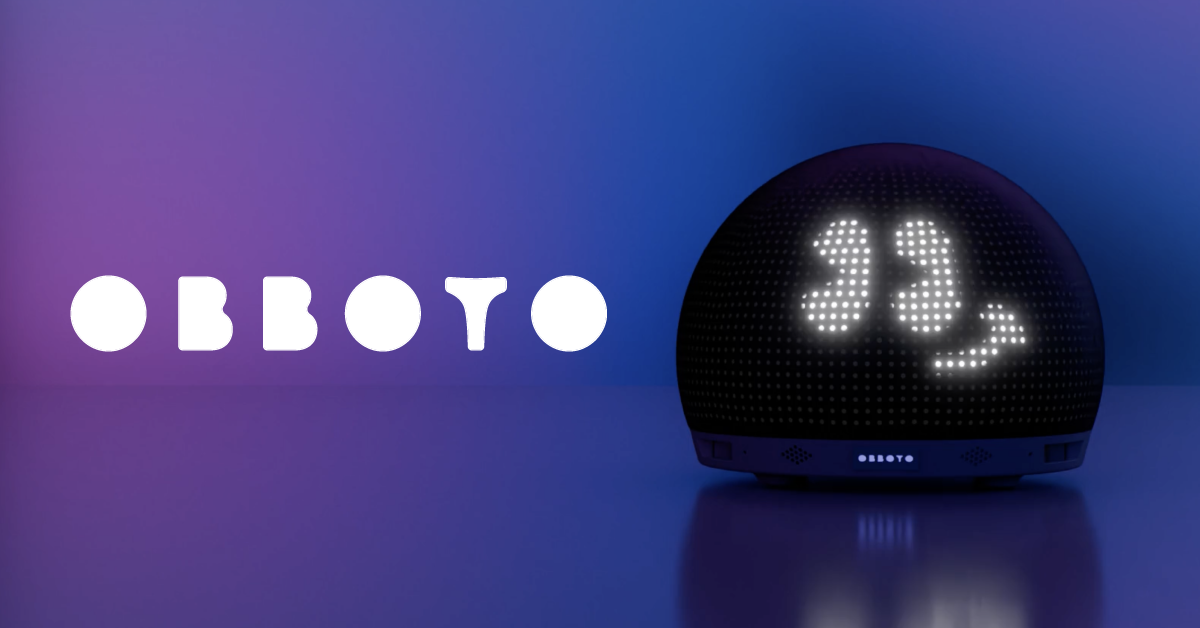
A 360° pixel-LED desktop “glowbot” that reacts to presence, mood and routines with expressive light, sunrise alarms and sound, blending playful ambience with simple information like time and weather. It’s less about tasks, more about feeling the space you inhabit.

Razer’s concept for an always-on AI desk companion built around a holographic avatar and contextual intelligence. Project AVA aims to assist with scheduling, creativity and gaming, straddling entertainment, productivity and presence in a single physical form.
Pickle pitches its AR glasses and OS as a lifelong, context-aware computing layer. A wearable that observes, remembers and anticipates your needs over time, blurring memory, identity and interface into a continuous, evolving companion.
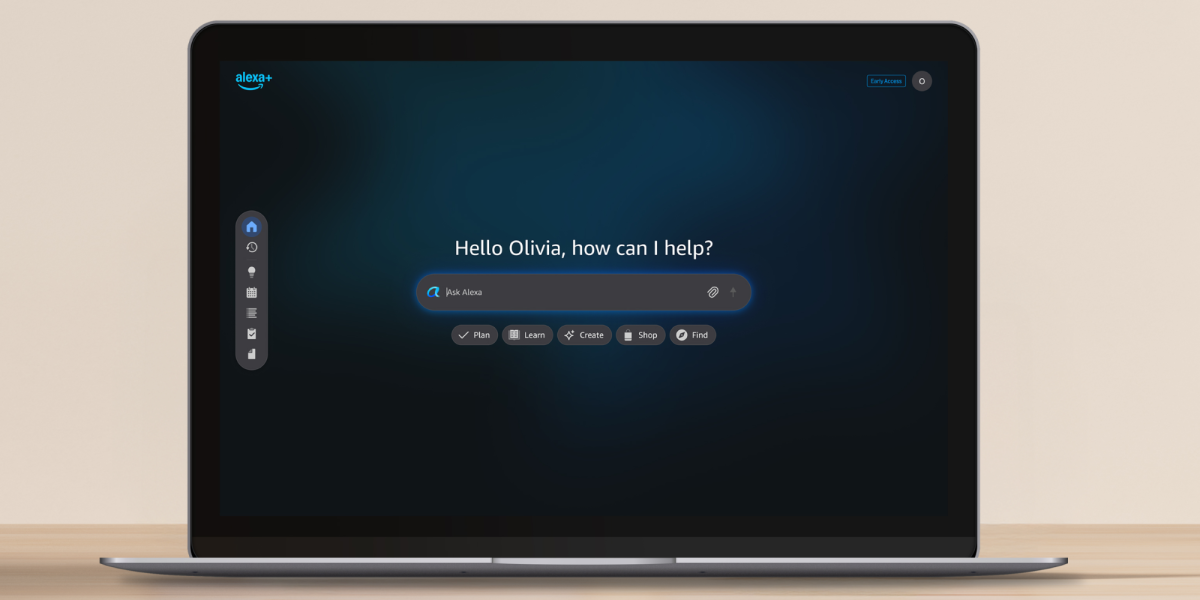
Amazon’s Alexa has moved far beyond voice commands; its ecosystem now spans web, wearables and smart devices. Alexa aims to be ambient context and action, embedding intelligence into daily routines with ubiquitous voice, reminders and automation.
Bee is a wearable that listens, transcribes and summarises conversations, turning moments into reminders and insights. Having been acquired by Amazon, it underscores the drive toward always-present personal AI that learns from your life rather than waiting for prompts.

Reports suggest OpenAI’s first bespoke hardware (Project Gumdrop) may resemble a pen. It points toward a future where intelligence isn’t confined to screens but carried and worn, merging tools with presence.
Stop working so hard. Volcano Base helps you automate the mundane, outsmart the grind, and build real momentum. No tech skills needed.
Volcano Base is sponsored by…*
Be Eau. The smell of a man.

Do you have Be Eau?
He doesn’t enter a room. The room adjusts.
Be Eau is not a fragrance. It’s a presence. A quiet confidence that lingers long after the moment has passed. Crafted for the man who doesn’t chase attention, yet somehow owns it.
Notes you can’t quite name. Depth you can’t explain. A trace of something familiar, and something dangerously unknown. This is the scent of midnight decisions, slow glances, and promises made without words.
Be Eau. Because being a man is not about who you are. It’s about what they remember.
*Satire
